Top 5 Benefits of Herbal Medicine for Modern Health Issues
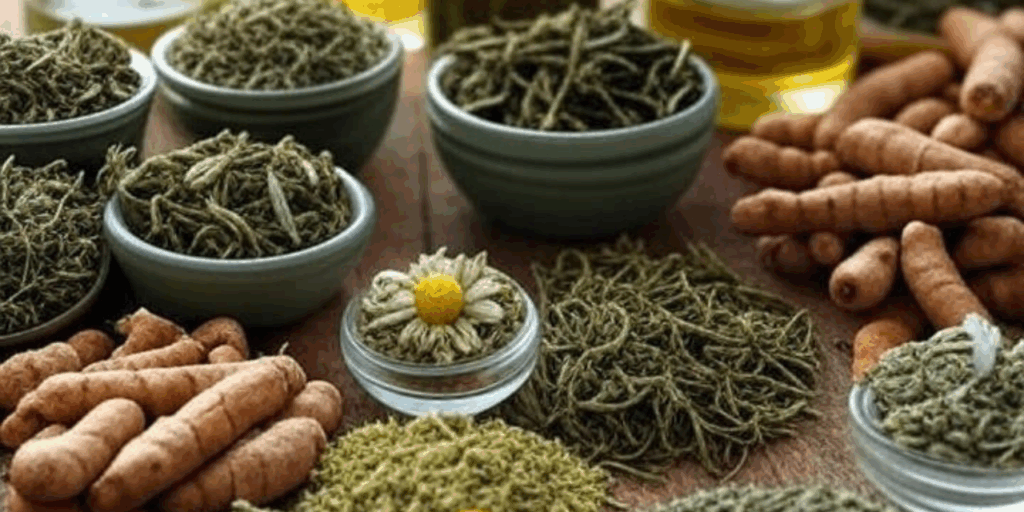
In today’s fast-paced world, health problems like stress, anxiety, poor digestion, and chronic pain are on the rise. While modern medicine has made incredible advances, many people are turning to herbal medicine as a natural and holistic alternative. Herbal remedies have been used for centuries and continue to play a vital role in maintaining overall well-being. Here are the top 5 benefits of herbal medicine for modern health issues: 1. Natural Healing with Fewer Side Effects Unlike synthetic drugs, most herbal remedies are plant-based and come with minimal side effects when used properly. For example, ginger is widely used to ease nausea and digestive issues without the harsh effects of chemical-based medications. This makes herbal medicine a gentler choice for long-term wellness. 2. Boosts Immunity Naturally Herbs like echinacea, turmeric, and elderberry are known for their immune-boosting properties. In an age where lifestyle diseases and viral infections are common, strengthening the body’s natural defense system through herbal medicine can help reduce illness and speed up recovery. 3. Effective in Managing Stress and Anxiety Modern lifestyles often lead to high levels of stress and mental fatigue. Herbs such as ashwagandha, chamomile, and valerian root have calming effects that support mental clarity, relaxation, and better sleep—making them a natural solution for stress management. 4. Supports Better Digestion Digestive issues like bloating, indigestion, and acidity are widespread today. Herbal solutions such as peppermint, fennel, and aloe vera aid digestion, balance gut health, and improve nutrient absorption. They work in harmony with the body without disrupting natural processes. 5. Promotes Holistic Wellnes Unlike conventional medicine that often targets symptoms, herbal medicine takes a holistic approach—addressing the root causes of illness. Herbs are used not only for healing but also for prevention, ensuring long-term physical and emotional well-being. Conclusion Herbal medicine bridges the gap between traditional wisdom and modern health needs. With its natural healing properties, stress-relieving benefits, and holistic approach, it is becoming a preferred choice for those seeking a healthier lifestyle without dependency on chemical-based drugs. If used responsibly and under expert guidance, herbal remedies can complement modern medicine to bring balance and vitality to everyday life.
Natural Remedies for Menstrual Cramps and Hormonal Imbalances
Menstrual cramps, mood swings, fatigue, and hormonal fluctuations — these are challenges many women face every month. While painkillers and hormonal medications are common go-to solutions, they often mask symptoms rather than address the root cause. At DAO Health, we believe in treating the whole person — body, mind, and spirit — to restore balance and long-term well-being. In this blog, we’ll explore natural remedies for menstrual cramps and hormonal imbalances that combine the wisdom of Traditional Chinese Medicine (TCM) with modern holistic approaches. Understanding Menstrual Cramps and Hormonal Imbalances What Causes Menstrual Cramps? Menstrual cramps (dysmenorrhea) occur when the uterus contracts to shed its lining. While mild cramping is normal, severe pain can signal underlying issues like endometriosis, fibroids, or hormonal imbalances. What Are Hormonal Imbalances? Hormones regulate everything from metabolism to mood. When estrogen, progesterone, or thyroid hormones fall out of balance, symptoms can include: Natural Remedies for Menstrual Cramps 1. Acupuncture Acupuncture is one of the most effective natural therapies for menstrual pain. By stimulating specific points, acupuncture helps: Many women notice reduced cramps and more regular cycles after just a few sessions. 2. Heat Therapy Applying a warm compress or heating pad on the lower abdomen relaxes uterine muscles and increases blood flow, easing cramping naturally. 3. Herbal Medicine TCM herbs like Dong Quai (Angelica sinensis) and Chai Hu (Bupleurum) are known for their hormone-balancing and pain-relieving properties. Herbal formulas are personalized at DAO Health to match each woman’s unique constitution. 4. Massage Therapy Abdominal and lower back massage can ease muscle tension, reduce stress, and promote circulation, all of which help with menstrual discomfort. 5. Magnesium-Rich Foods Magnesium helps relax muscles and reduce cramps. Foods like spinach, pumpkin seeds, and dark chocolate are excellent natural sources. Natural Remedies for Hormonal Imbalances 1. Diet and Nutrition A hormone-supportive diet can reduce inflammation and regulate cycles. Focus on: 2. Acupuncture for Hormone Regulation Research shows acupuncture can regulate the hypothalamic-pituitary-ovarian axis, which plays a key role in reproductive hormone balance. This makes it especially effective for: 3. Herbal Medicine for Hormonal Support 4. Stress Reduction (Yoga, Meditation, Breathing Exercises) Chronic stress disrupts cortisol and estrogen levels, worsening hormonal symptoms. Practices like meditation, qigong, and yoga restore nervous system balance. 5. Sleep Hygiene Poor sleep directly impacts reproductive hormones. Aim for 7–9 hours of quality rest to support natural regulation. DAO Health’s Holistic Approach At DAO Health, we don’t believe in one-size-fits-all treatments. Instead, we combine: With 21+ years of experience and 10,000+ patients treated, our team has helped countless women find relief from menstrual discomfort and hormonal challenges — naturally. When to Seek Professional Help While natural remedies can significantly improve well-being, you should seek professional care if you experience: A personalized consultation at DAO Health can uncover the root cause and create a tailored treatment plan that fits your body and lifestyle. Conclusion Menstrual cramps and hormonal imbalances don’t have to control your life. By embracing natural remedies — from acupuncture and herbal medicine to nutrition and stress management — you can restore balance, reduce pain, and support long-term wellness. At DAO Health, we’re here to walk with you on your wellness journey, offering compassionate, holistic care rooted in both ancient tradition and modern science. Ready to find relief naturally? Book your consultation today and discover a healthier, balanced you.
The Role of Acupuncture in Managing PTSD and Trauma Recovery

Post-Traumatic Stress Disorder (PTSD) affects millions of people worldwide, including many here in Brampton. While PTSD is often associated with veterans or first responders, it can affect anyone who has experienced trauma — from car accidents and medical emergencies to abuse or sudden loss. The condition can lead to intrusive memories, anxiety, sleep disturbances, and physical tension that interfere with everyday life. At DAO Health, we believe that true healing must address both the mind and the body. This is why acupuncture, a cornerstone of Traditional Chinese Medicine (TCM), has become an important complementary therapy for individuals seeking relief and recovery from PTSD and trauma. Understanding PTSD and Trauma PTSD develops when the body and mind struggle to recover from a traumatic event. Common symptoms include: Because trauma affects both emotional and physical health, a holistic approach is often most effective in recovery. How Acupuncture Supports Trauma Recovery Acupuncture involves the gentle insertion of very fine needles at specific points along the body’s energy pathways, or meridians. According to TCM, trauma can disrupt the smooth flow of Qi (vital energy), creating imbalances that affect both mind and body. By stimulating key acupuncture points, this balance can be restored. Research-backed benefits of acupuncture for PTSD include: Acupuncture and Psychotherapy: A Powerful Combination While acupuncture is highly beneficial on its own, combining it with psychotherapy often provides the best outcomes for PTSD recovery. At DAO Health, our team often integrates these approaches, providing a safe, supportive space where mind and body healing can occur together. A Personalized Approach to Healing Every trauma story is unique, which means every recovery journey should be personalized. At DAO Health, our practitioners take the time to understand your health history, emotional needs, and physical symptoms. We then create a custom treatment plan that may include: This holistic care model ensures that healing happens on all levels — physical, emotional, and spiritual. What to Expect During Acupuncture for PTSD If you’re new to acupuncture, here’s what you can expect: Most patients describe a sense of relief, improved sleep, and reduced anxiety after several sessions. Final Thoughts PTSD and trauma can feel overwhelming, but recovery is possible. Acupuncture offers a natural, non-invasive, and holistic path to calming the nervous system, relieving physical tension, and supporting emotional healing. At DAO Health Brampton, we are committed to walking with you on your healing journey — combining the wisdom of Traditional Chinese Medicine with modern therapeutic practices for compassionate, personalized care. Book your consultation today and take the first step toward peace, balance, and renewed strength.
Natural Ways to Stay Healthy During Cold & Flu Season in Brampton
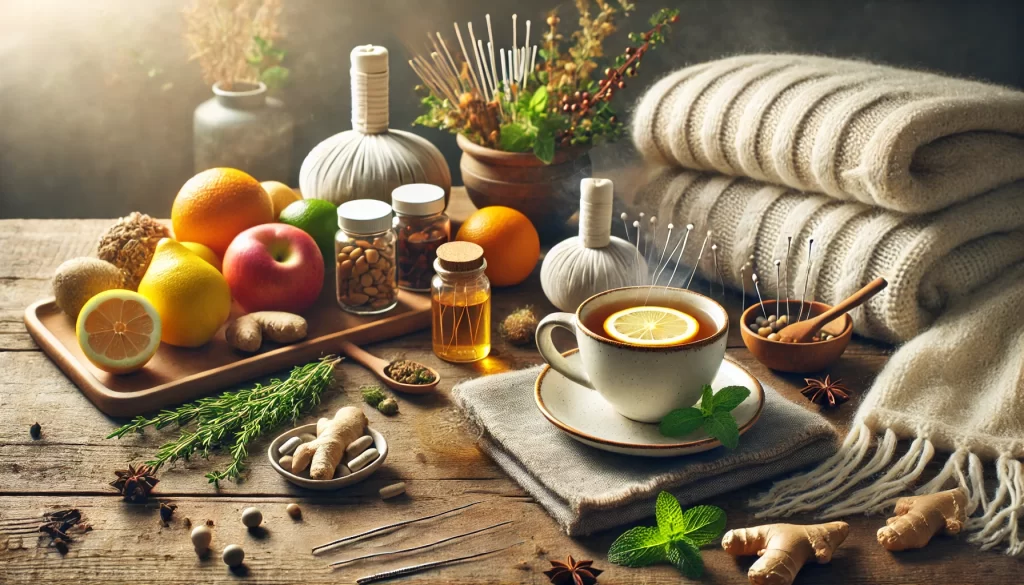
As the weather cools in Brampton and the Greater Toronto Area, cold and flu season often brings runny noses, sore throats, coughs, and fatigue. While it’s common to rely on over-the-counter medicine, there are many natural and holistic ways to strengthen your body’s defenses and stay healthy throughout the season. At DAO Health, we believe in a balanced approach to wellness — combining Traditional Chinese Medicine (TCM) with modern therapies to keep your immune system strong and your energy levels high. Here are some natural, effective strategies you can follow this cold and flu season. 1. Strengthen Immunity with Traditional Chinese Medicine (TCM) In TCM, a strong immune system is linked to a healthy flow of Qi (life energy). Acupuncture and herbal medicine are powerful ways to support your body’s natural defenses. At DAO Health, our practitioners customize treatments to help your body resist seasonal viruses naturally. 2. Support Respiratory Health Cold and flu season often brings congestion, sore throats, and coughs. Both acupuncture and herbal remedies can support lung function and ease respiratory discomfort. These natural therapies not only provide relief but also shorten recovery time. 3. Eat Warming, Nutritious Foods Diet plays a big role in protecting your body during the colder months. In holistic health, food is considered medicine. Try to include: A well-balanced diet keeps your body nourished and resilient. 4. Prioritize Rest and Stress Management Stress and lack of sleep can weaken the immune system, making you more vulnerable to colds and flu. By managing stress naturally, you strengthen both your mind and immune system. 5. Stay Active and Practice Gentle Movement Regular movement helps improve circulation and keeps your immune system strong. Gentle exercises such as yoga, tai chi, or qigong (often recommended in TCM) are especially beneficial during colder months. These practices not only keep the body active but also calm the mind, creating a sense of balance. 6. Consider IV Vitamin Therapy for Extra Support At DAO Health, we also offer IV drip therapy to give your body a direct boost of essential nutrients like Vitamin C, B-complex vitamins, and minerals. These help improve energy, support the immune system, and speed up recovery if you’re already feeling under the weather. Final Thoughts Cold and flu season doesn’t have to mean weeks of discomfort. By focusing on prevention and natural care, you can strengthen your immune system, recover faster, and stay balanced throughout the winter months. At DAO Health Brampton, we combine the wisdom of Traditional Chinese Medicine with modern holistic therapies — including acupuncture, herbal medicine, massage, psychotherapy, and IV therapy — to help you stay healthy and energized all season long. Book your consultation today and take proactive steps toward a stronger, healthier winter.
How Psychotherapy and Acupuncture Work Together for Anxiety Relief

Anxiety is one of the most common mental health challenges in today’s fast-paced world. From work stress and relationship issues to constant exposure to digital distractions, many people experience persistent worry, tension, and unease that can interfere with daily life. While medication and traditional therapy have long been standard treatment approaches, holistic and integrative care is becoming increasingly popular. At DAO Health in Brampton, we combine psychotherapy and acupuncture to provide a natural, effective, and personalized path toward anxiety relief. This combination addresses both the mind and the body, offering long-lasting results for overall well-being. Understanding Anxiety Anxiety is not just feeling nervous before an exam or presentation — it’s a condition that can affect sleep, digestion, concentration, and even physical health. Common symptoms include: Because anxiety impacts both the mind and the body, an effective treatment should address both aspects. That’s where psychotherapy and acupuncture complement each How Psychotherapy Helps with Anxiety Psychotherapy is a guided, supportive process that helps individuals understand and manage their thoughts, feelings, and behaviors. At DAO Health, our licensed therapists use evidence-based techniques such as: Psychotherapy empowers patients with tools to manage triggers, build resilience, and restore emotional balance. How Acupuncture Helps with Anxiety Acupuncture, a cornerstone of Traditional Chinese Medicine (TCM), works by inserting very fine needles into specific points along the body’s meridians. These points help restore the flow of Qi (life energy) and rebalance the nervous system. Modern research shows acupuncture may: For many patients, acupuncture provides deep relaxation during and after treatment — something that can significantly reduce the cycle of worry and stress. Why Combining Psychotherapy and Acupuncture Works Best When psychotherapy and acupuncture are used together, patients often experience more powerful and long-lasting results than with either treatment alone. Here’s why: What to Expect at DAO Health If you’re new to either psychotherapy or acupuncture, here’s how the process usually works at DAO Health: Many patients report feeling more relaxed, clear-minded, and resilient after just a few sessions. Is This Approach Right for You? This integrative care model is especially helpful if you: Final Thoughts Anxiety doesn’t have to control your life. By combining the emotional insight of psychotherapy with the calming, restorative effects of acupuncture, DAO Health offers a holistic path to balance and peace of mind. If you’re ready to explore this integrative approach, our compassionate team in Brampton is here to help you every step of the way. Book your consultation today and begin your journey toward calmness, clarity, and healing.
5 Ways Acupuncture Can Improve Egg Quality and Ovarian Function
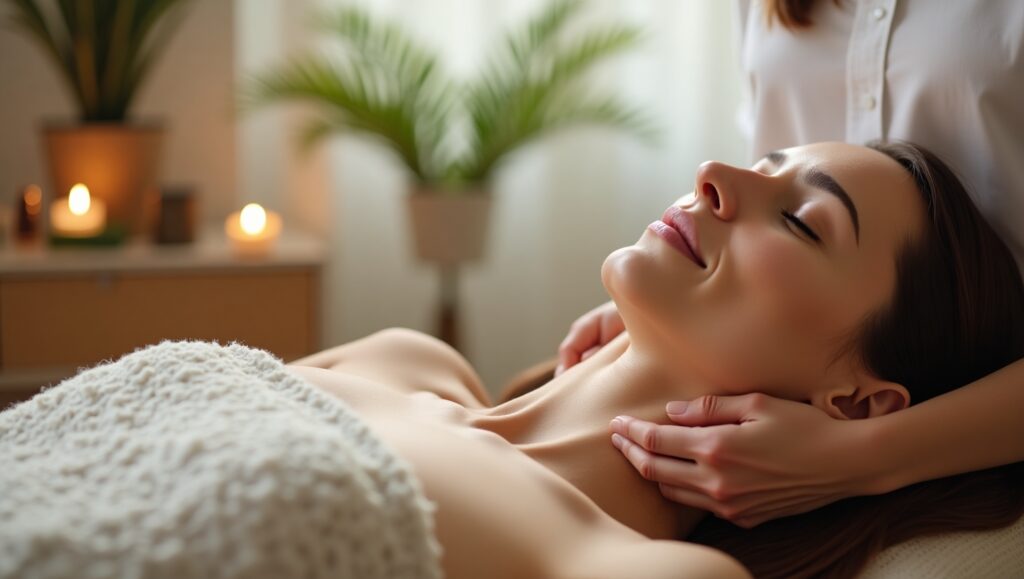
For women on a fertility journey, egg quality and optimal ovarian function play a central role in the ability to conceive. Whether trying to conceive naturally or undergoing fertility treatments like IVF, the health of your eggs and ovaries is critical. While modern medicine offers advanced reproductive technologies, Traditional Chinese Medicine (TCM) and acupuncture are increasingly being recognized for their role in supporting and improving reproductive health—especially when it comes to egg quality and ovarian function. In this comprehensive guide, we’ll explore five powerful ways acupuncture can enhance egg quality and improve ovarian function, helping women in Canada and beyond optimize their fertility naturally. Understanding Egg Quality and Ovarian Function Before diving into how acupuncture helps, it’s important to understand what egg quality and ovarian function mean. A woman is born with all the eggs she will ever have, and their quality tends to decline with age—especially after age 35. However, egg quality can also be affected by stress, poor circulation, hormone imbalances, and inflammation. This is where acupuncture can offer significant benefits. 1. Enhances Blood Flow to the Ovaries Healthy blood flow is essential for the ovaries to function properly and for eggs to develop in a nourishing environment. How Acupuncture Helps: Supporting Research: Studies have shown that acupuncture can enhance pelvic blood flow, which may contribute to better follicular development and increased chances of conception, particularly when combined with IVF protocols. 2. Regulates Hormonal Balance Hormones play a crucial role in every phase of the menstrual cycle, from egg development to ovulation and implantation. How Acupuncture Helps: Clinical Evidence: Research suggests that acupuncture may reduce elevated FSH levels and promote a more favorable hormonal profile for egg development. It has also been used to address conditions like PCOS and irregular ovulation. 3. Reduces Stress and Lowers Cortisol Levels Chronic stress can negatively impact fertility by interfering with hormone production and ovulation. Stress also increases cortisol levels, which can suppress reproductive hormones and reduce egg quality. How Acupuncture Helps: Emotional Benefits: Reducing stress is not only beneficial physiologically but also psychologically, helping women stay grounded and emotionally resilient during fertility treatments or the TTC (trying to conceive) journey. 4. Improves Ovarian Reserve and Follicular Response Although women cannot increase the number of eggs they are born with, acupuncture may help improve the function of existing follicles and their responsiveness to stimulation. How Acupuncture Helps: TCM Perspective: In Traditional Chinese Medicine, fertility is closely tied to the health of the Kidney and Liver meridians. Acupuncture treatments often target these meridians to nourish the “Jing” (essence) and “Qi” (vital energy) needed for reproduction. 5. Supports Detoxification and Reduces Inflammation Inflammation and exposure to toxins can negatively affect egg quality and ovarian health. Modern lifestyle factors such as pollution, processed foods, and endocrine-disrupting chemicals can all play a role. How Acupuncture Helps: Complementary Support: In combination with herbal medicine and dietary recommendations from TCM practitioners, acupuncture helps create a cleaner, more balanced internal environment for reproductive health. Bonus: Combining Acupuncture with Lifestyle Change While acupuncture offers powerful support on its own, combining it with the right lifestyle changes can amplify its effects: Final Thoughts: Holistic Fertility Support with Acupuncture Improving egg quality and ovarian function is not about a single magic bullet—it’s about creating the right environment for your body to thrive. Acupuncture offers a safe, non-invasive, and time-tested method to naturally support your reproductive system, whether you’re trying to conceive naturally or preparing for IVF. At Dao Health, we specialize in holistic fertility care that combines acupuncture, herbal therapy, and personalized wellness plans to help women in Canada achieve their dream of motherhood. Our licensed TCM practitioners are here to guide you every step of the way.
Best Natural Remedies to Balance Hormones for Women in Canada
Introduction: Understanding Hormonal Health Hormones are the body’s chemical messengers, responsible for regulating everything from mood and energy to metabolism, fertility, and sleep. For women, maintaining hormonal balance is essential for overall well-being. However, hormonal imbalances are increasingly common due to factors like stress, poor diet, environmental toxins, and lifestyle habits. Symptoms of hormone imbalance may include: In Canada, many women are seeking safe, effective, and natural alternatives to support hormonal health without relying solely on synthetic hormone replacement therapy (HRT) or birth control. Fortunately, a wide range of natural remedies—rooted in holistic traditions and backed by science—can help. 1. Traditional Chinese Medicine (TCM) TCM views the body as an interconnected system, where imbalances in organs such as the Liver, Kidney, and Spleen can lead to hormonal dysfunction. Practitioners use acupuncture, herbal medicine, dietary therapy, and lifestyle modifications to restore balance. Key Benefits: Commonly Used TCM Herbs: At clinics like Dao Health in Canada, TCM is often customized for each individual’s hormonal profile, making it a powerful natural remedy. 2. Adaptogenic Herbs Adaptogens are a class of herbs that help the body adapt to physical and emotional stress, improving the function of the adrenal glands and hypothalamic-pituitary-adrenal (HPA) axis. Popular Adaptogens for Hormonal Support: These herbs are often available as capsules or powders and can be integrated into daily wellness routines. 3. Nutrition for Hormone Balance A nutrient-dense, whole foods diet is one of the most powerful tools for restoring hormonal balance. Key dietary principles include: Foods to Embrace: Foods to Avoid: In Canada, hormone-friendly eating also means choosing seasonal and locally grown produce whenever possible. 4. Acupuncture Acupuncture is a core component of TCM that involves inserting thin needles into specific points on the body. It helps: Research has shown acupuncture to be effective for regulating periods, improving fertility, and reducing perimenopausal symptoms. Many wellness clinics in cities like Toronto, Vancouver, and Calgary offer acupuncture as a natural hormone therapy. 5. Seed Cycling Seed cycling is a gentle, food-based practice to balance estrogen and progesterone throughout the menstrual cycle. How It Works: Seeds provide important nutrients like zinc, selenium, vitamin E, and essential fatty acids that support reproductive hormone function. 6. Lifestyle Changes That Support Hormonal Health Your daily habits play a crucial role in hormonal balance. In addition to diet and herbs, consider the following: Sleep: Stress Management: Movement: Reduce Endocrine Disruptors: 7. Hormone Testing and Functional Medicine Getting a clear picture of your hormone levels through blood, saliva, or DUTCH testing can help personalize your treatment plan. Functional medicine practitioners in Canada often combine testing with natural therapies to address root causes of hormonal imbalance such as: These tests are often available through integrative health clinics or naturopathic doctors. When to See a Practitioner If you experience persistent or severe symptoms of hormone imbalance, it’s best to consult a professional. A qualified Traditional Chinese Medicine practitioner, naturopath, or integrative doctor can: Clinics like Dao Health specialize in treating hormonal imbalances through a natural and personalized approach rooted in both ancient wisdom and modern science. Empowering Women to Heal Naturally Balancing hormones doesn’t require synthetic drugs or invasive procedures. With the right combination of natural remedies—including TCM, adaptogens, acupuncture, and lifestyle changes—women in Canada can take control of their hormonal health, boost their energy, stabilize their mood, and improve their quality of life. At Dao Health, we are committed to guiding you through your hormonal wellness journey with compassion, knowledge, and personalized care.
Traditional Chinese Medicine for Menstrual Irregularities and PMS
Introduction: Reconnecting with the Natural Rhythm of Your Cycle Menstrual irregularities and premenstrual syndrome (PMS) affect millions of women across the globe. From missed periods and painful cramps to mood swings, bloating, and breast tenderness, these symptoms can disrupt daily life and signal underlying hormonal imbalances. While conventional medicine often relies on hormonal birth control or painkillers to manage these issues, more women are turning to Traditional Chinese Medicine (TCM) for a natural, holistic approach. TCM views the menstrual cycle as a vital sign of overall health. Instead of masking symptoms, it seeks to identify and treat the root cause of imbalances. Through personalized herbal medicine, acupuncture, dietary therapy, and lifestyle guidance, TCM offers time-tested tools to restore hormonal harmony and ease PMS symptoms. Understanding Menstrual Health Through the Lens of TCM In Traditional Chinese Medicine, the menstrual cycle is closely linked to the health of several major organ systems: TCM also observes the balance of Yin and Yang, Qi and Blood, and whether there is excess (like Heat or Dampness) or deficiency (such as Cold or Blood Deficiency). By assessing these patterns, a TCM practitioner can develop a personalized treatment plan. Common Menstrual Imbalances in TCM Here are a few common patterns TCM recognizes in menstrual disorders: 1. Liver Qi Stagnation 2. Blood Deficiency 3. Kidney Deficiency 4. Spleen Qi Deficiency with Dampness 5. Cold in the Uterus How TCM Treats Menstrual Irregularities and PMS Traditional Chinese Medicine provides a comprehensive approach, tailored to each individual’s constitution and menstrual history. The most common modalities include: 1. Chinese Herbal Medicine Herbal formulas are created based on individual diagnosis. Rather than using a one-size-fits-all remedy, TCM practitioners blend herbs to target specific imbalances. Commonly Used Herbs: Herbal formulas like Xiao Yao San and Gui Shao Di Huang Wan are commonly prescribed for PMS and menstrual irregularities. 2. Acupuncture Acupuncture works by stimulating specific points on the body to restore balance and flow of Qi and Blood. It is especially effective for: Acupuncture points such as LV3 (Taichong), SP6 (Sanyinjiao), Ren4 (Guanyuan) and ST36 (Zusanli) are often used in menstrual treatment protocols. 3. Diet and Lifestyle Recommendations TCM emphasizes food as medicine. Dietary changes can enhance the effects of herbal and acupuncture treatments. Dietary Tips: 4. Moxibustion and Heat Therapy Moxibustion, the burning of mugwort over specific acupuncture points, is particularly useful for Cold in the Uterus. Applying a hot water bottle over the lower abdomen can also relieve cramping. Scientific Support for TCM in Menstrual Health Modern studies increasingly support TCM’s efficacy for menstrual issues: These findings confirm what TCM practitioners have known for centuries—gentle, consistent therapies can bring deep and lasting menstrual balance. When to Seek Help from a TCM Practitioner If you’re struggling with: a licensed TCM practitioner can help create a customized plan for you. At Dao Health, we perform thorough consultations including pulse and tongue diagnosis, menstrual history, emotional health, and lifestyle patterns to craft a holistic path forward. Real Benefits of TCM for Menstrual and Reproductive Health Clients who work with a qualified TCM team often report: Whether you are coming off birth control, managing PCOS or endometriosis, or simply want a more balanced period, TCM offers a compassionate and natural alternative. Healing Your Cycle Naturally Traditional Chinese Medicine provides a time-tested and holistic approach to menstrual irregularities and PMS. Instead of offering a quick fix, it works to uncover the underlying causes of imbalance and guide your body back to harmony. Through herbal medicine, acupuncture, dietary therapy, and lifestyle practices, TCM empowers women to take charge of their reproductive health naturally. If you’re ready to explore how Dao Health can support your menstrual wellness journey, we invite you to book a consultation with our team of experienced practitioners.
How Traditional Chinese Herbs Support Thyroid Health Naturally
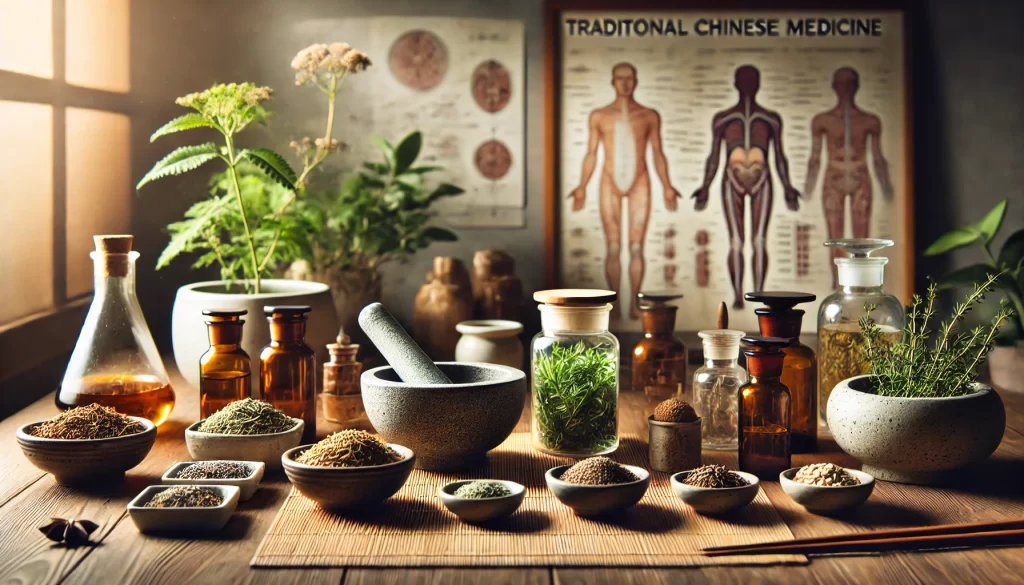
The thyroid gland, a small butterfly-shaped organ located at the base of your neck, plays a vital role in regulating metabolism, energy production, and hormonal balance. When the thyroid malfunctions, it can result in a range of conditions such as hypothyroidism (underactive thyroid), hyperthyroidism (overactive thyroid), Hashimoto’s thyroiditis, and Graves’ disease. These disorders can significantly impact your overall well-being, leading to fatigue, weight changes, anxiety, depression, irregular menstruation, and more. In recent years, more individuals are turning toward complementary therapies like Traditional Chinese Medicine (TCM) to support thyroid health naturally. One of the core components of TCM is the use of herbs—carefully selected plant-based substances used to restore balance in the body. This blog explores how traditional Chinese herbs can aid thyroid function, alleviate symptoms, and promote long-term hormonal health. Understanding Thyroid Disorders Through the Lens of TCM Traditional Chinese Medicine takes a holistic view of the body. Rather than treating the thyroid as an isolated organ, TCM considers how the thyroid interacts with other systems and organs—particularly the Kidney, Liver, and Spleen meridians. From a TCM perspective: This integrative viewpoint allows for a more personalized treatment strategy, using herbs to restore the internal balance and flow of Qi (vital energy). Top Traditional Chinese Herbs for Thyroid Suppor Let’s explore some of the most commonly used Chinese herbs and formulas known to support thyroid function and overall endocrine health: 1. Rehmannia (Shu Di Huang) Rehmannia is a foundational herb used to nourish Yin and Blood. It’s particularly beneficial for those with symptoms of hypothyroidism such as dry skin, fatigue, and menstrual irregularities. It supports Kidney and Liver function, both of which are essential for hormonal regulation. 2. Licorice Root (Gan Cao) Licorice root is used in many Chinese herbal formulas for its adaptogenic, anti-inflammatory, and harmonizing properties. It supports adrenal health and reduces inflammation, which can help modulate autoimmune thyroid conditions like Hashimoto’s. 3. Bupleurum (Chai Hu) Bupleurum is known for its ability to soothe Liver Qi stagnation and reduce internal heat—making it useful for hyperthyroidism symptoms such as irritability, insomnia, and restlessness. 4. White Peony (Bai Shao) White Peony helps nourish the Blood and calm the Liver. It is especially helpful for managing mood swings, menstrual issues, and anxiety associated with thyroid disorders. 5. Schisandra (Wu Wei Zi) This herb is classified as an adaptogen, meaning it helps the body resist stress. Schisandra supports adrenal function, improves energy, and enhances the body’s ability to regulate hormones. 6. Dang Shen (Codonopsis Root) Often referred to as a gentler alternative to ginseng, Codonopsis helps tonify Qi and improve energy levels. It’s commonly used for fatigue and weakness associated with hypothyroidism. 7. Zhi Mu (Anemarrhena Rhizome) Used to clear heat and nourish Yin, Zhi Mu is excellent for individuals with hyperthyroidism experiencing night sweats, irritability, and dry mouth. Common Herbal Formulas for Thyroid Conditions In TCM, herbs are rarely used individually. They are combined into formulas that synergize for more potent and balanced effects. Here are some classical formulas adapted for thyroid health: Liu Wei Di Huang Wan (Six-Ingredient Pill with Rehmannia) Used to nourish Kidney Yin and support hormone regulation. Ideal for hypothyroid conditions presenting with symptoms like dizziness, night sweats, and weakness. Jia Wei Xiao Yao San (Augmented Free and Easy Wanderer) A modified version of Xiao Yao San, this formula is used to relieve stress, balance hormones, and calm the Liver. Often used for hyperthyroidism with emotional symptoms. Er Xian Tang (Two Immortals Decoction) This formula is designed to tonify Kidney Yin and Yang, often used in menopausal women or those with severe hormonal imbalances, including thyroid dysfunction. Scientific Support for Chinese Herbs and Thyroid Health Although more large-scale studies are needed, several clinical trials and observational studies have shown promising results in using Chinese herbs for thyroid support. These findings suggest that TCM can be a valuable adjunct to conventional therapy, especially for patients seeking holistic or integrative approaches. Integrating TCM with Western Medicine It’s important to note that Chinese herbs should not replace prescribed thyroid medication unless under the supervision of a qualified health professional. However, they can be used alongside Western treatments to: Collaboration between your TCM practitioner and medical doctor can lead to safer and more effective outcomes. Lifestyle and Dietary Tips to Complement Herbal Treatment TCM always emphasizes a holistic approach. In addition to herbs, the following lifestyle practices can support thyroid function: When to See a TCM Practitioner If you suspect a thyroid issue or have been diagnosed with a thyroid condition, it’s essential to consult a licensed Traditional Chinese Medicine practitioner. They will conduct a comprehensive diagnosis—assessing your tongue, pulse, symptoms, and lifestyle—to create a customized herbal formula and treatment plan. Many clients at Dao Health have seen improvements in: A Balanced Path to Thyroid Wellness Traditional Chinese herbs offer a time-tested, gentle, and natural method to support thyroid health. Whether you’re dealing with an underactive thyroid, autoimmunity, or hormonal fluctuations, TCM can provide meaningful relief and long-term balance. By integrating Chinese herbs with mindful lifestyle changes and, when needed, modern medical care, you can build a more resilient and harmonious internal environment. At Dao Health, we offer personalized care rooted in Traditional Chinese Medicine, acupuncture, and functional healing. If you’re ready to explore natural thyroid support, schedule a consultation with one of our qualified practitioners today.
Top Natural Remedies to Balance Hormones for Better Fertility
Hormonal balance is essential for healthy fertility. When hormones such as estrogen, progesterone, and luteinizing hormone are out of sync, it can disrupt ovulation, menstrual regularity, and overall reproductive function. At DAO Health in Brampton, we specialize in natural, holistic treatments that help restore hormonal balance and support fertility using time-tested practices from Traditional Chinese Medicine (TCM). If you’re trying to conceive and suspect hormonal imbalance may be a barrier, here are the top natural remedies that can help promote better hormonal health and improve your chances of a successful pregnancy. 1. Acupuncture to Regulate Hormonal Cycles Acupuncture is a cornerstone therapy at DAO Health. It works by stimulating specific meridian points that influence the endocrine system, helping regulate hormone levels naturally. Acupuncture can: Women experiencing irregular periods, PCOS, or luteal phase defects often see improvements with consistent acupuncture sessions. 2. Herbal Medicine Tailored to Your Body’s Needs Traditional Chinese Herbal Medicine plays a powerful role in balancing hormones. At DAO Health, our practitioners create customized herbal formulas based on your individual constitution and symptoms. Common herbs like Dong Quai, Chaste Tree (Vitex), and Peony are known for their hormone-regulating effects. Herbal medicine can: Always consult with a licensed TCM practitioner before starting any herbal remedy. 3. Diet Rich in Fertility-Friendly Nutrients What you eat directly affects your hormone health. DAO Health encourages a nutrient-dense, whole-food diet rich in: Reducing sugar, caffeine, and processed foods is also key to preventing insulin resistance, which can interfere with ovulation. 4. Lifestyle Adjustments to Reduce Hormonal Stress Chronic stress can cause elevated cortisol levels, which negatively impact reproductive hormones. At DAO Health, we offer guidance on stress-reduction techniques like: Incorporating these habits into your daily routine supports the Hypothalamic-Pituitary-Ovarian (HPO) axis that governs hormone regulation. 5. Consistent Sleep and Circadian Rhythm Support Poor sleep patterns can lead to irregular hormonal rhythms. Your body needs deep rest to balance melatonin, cortisol, and reproductive hormones. DAO Health recommends: A well-regulated sleep cycle can positively impact ovulation and hormonal health. 6. Detoxification for Liver Support In TCM, the liver plays a crucial role in hormone metabolism. If it becomes sluggish or congested, estrogen can recirculate in the body rather than being safely eliminated. DAO Health supports natural detox with: This helps prevent estrogen dominance and supports regular cycles. Final Thoughts Hormonal imbalance doesn’t have to be a permanent obstacle on your fertility journey. With natural, personalized care through acupuncture, herbal medicine, nutrition, and lifestyle support, DAO Health helps women in Brampton and surrounding areas reclaim hormonal balance and restore fertility. If you’re looking for a safe, proven, and holistic way to boost your fertility, contact DAO Health today to begin your personalized healing plan. Your path to natural hormone harmony and conception starts here.