
The Science Behind Fertility Acupuncture
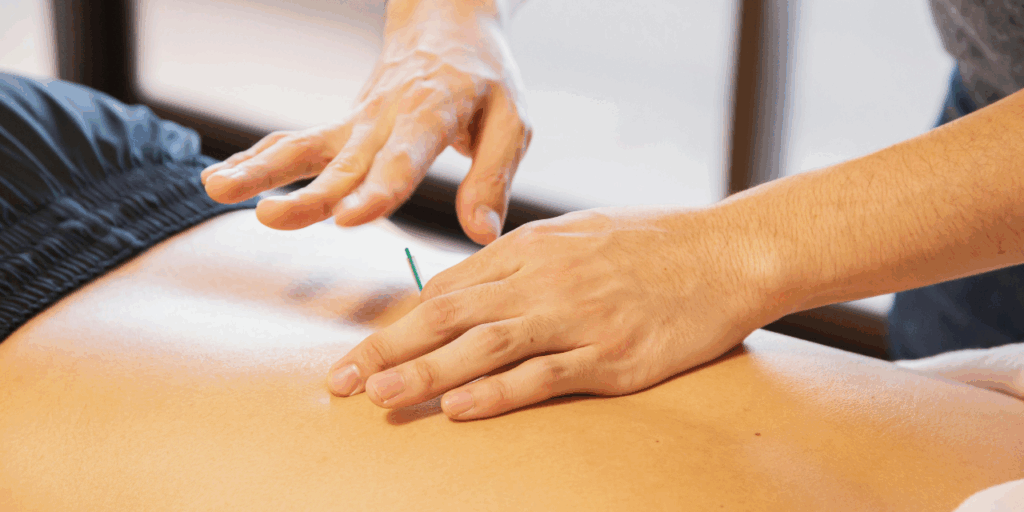
🧬 Acupuncture has long been a cornerstone of Traditional Chinese Medicine (TCM), revered for its ability to restore balance in the body and promote overall health. In recent decades, its role in supporting fertility has moved beyond traditional use and into the spotlight of modern clinical research. More and more individuals and couples are turning to fertility acupuncture as a complementary therapy—either to conceive naturally or to improve outcomes with assisted reproductive technologies like IVF and IUI. At DAO Health, acupuncture is a key part of our fertility support program, used to regulate hormonal cycles, increase blood flow to the reproductive organs, reduce stress, and enhance both male and female reproductive function. But what does science say about it? In this blog, we explore the biological mechanisms, clinical evidence, and practical benefits behind fertility acupuncture. What Is Fertility Acupuncture? Fertility acupuncture refers to the use of fine, sterile needles inserted at specific points on the body to support reproductive health. These acupuncture points correspond to meridians—channels of energy, or Qi—that influence organ systems, including the uterus, ovaries, hypothalamus, and endocrine glands. In TCM theory, fertility struggles may arise due to disruptions in the smooth flow of Qi and Blood, or imbalances in organ systems like the Kidneys, Liver, and Spleen. Acupuncture helps restore energetic harmony, which, in turn, supports healthy reproductive function. From a Western medical perspective, acupuncture appears to work through several physiological mechanisms that are now being better understood thanks to ongoing research. The Science: How Does Acupuncture Influence Fertility? 1. Improved Blood Flow to the Uterus and Ovaries One of the most significant benefits of fertility acupuncture is its ability to increase pelvic blood flow, particularly to the uterus and ovaries. Enhanced blood flow helps: A study published in Fertility and Sterility (Stener-Victorin et al., 2006) showed that acupuncture reduces blood flow impedance in uterine arteries, meaning better circulation and improved implantation environments. 2. Regulation of the Hypothalamic-Pituitary-Ovarian (HPO) Axis The HPO axis is the hormonal command center of the female reproductive system. It governs the production and timing of key reproductive hormones like: Research has found that acupuncture helps modulate this hormonal feedback loop, leading to more regular ovulation, better hormonal balance, and more predictable menstrual cycles. In women with polycystic ovary syndrome (PCOS)—a leading cause of infertility—acupuncture has been shown to reduce testosterone levels, improve insulin sensitivity, and promote ovulation (Lim et al., American Journal of Physiology-Endocrinology and Metabolism, 2010). 3. Stress Reduction and Cortisol Regulation High stress levels and anxiety can interfere with the body’s reproductive functions by increasing levels of cortisol, the body’s primary stress hormone. Elevated cortisol can disrupt ovulation, lower progesterone, and contribute to irregular menstrual cycles. Acupuncture stimulates the parasympathetic nervous system, promoting relaxation, reducing cortisol, and improving emotional well-being. Several studies have found that women undergoing fertility treatments who received acupuncture had lower stress levels, which may translate to better reproductive outcomes. A study in Human Reproduction (Domar et al., 2002) found that women with lower stress levels had significantly higher conception rates, highlighting the crucial mind-body connection in fertility. 4. Immune System Modulation and Inflammation Control Recent research also suggests that acupuncture has immunomodulatory effects, meaning it can help regulate immune responses. In some cases of infertility—especially unexplained infertility—subclinical inflammation or autoimmune activity may be at play. Acupuncture has been shown to: This makes it a promising adjunct therapy, especially for individuals with recurrent miscarriage or implantation failure despite healthy embryos. 5. Support for Men’s Fertility While fertility acupuncture is often discussed in the context of female health, it also has well-documented benefits for men. Studies have shown improvements in: A controlled study published in Fertility and Sterility (Siterman et al., 2000) found that men who received acupuncture twice weekly for five weeks showed significant improvement in sperm motility and structure compared to the control group. Given that male factor infertility accounts for nearly 40–50% of infertility cases, acupuncture can be a valuable tool for both partners in the fertility journey. Clinical Evidence Supporting Fertility Acupuncture A growing number of clinical studies and meta-analyses have confirmed acupuncture’s role in improving fertility outcomes. Notable findings include: These studies add scientific credibility to what TCM practitioners have known for centuries: that acupuncture is a powerful, natural way to support fertility. When Should You Start Fertility Acupuncture? Fertility acupuncture can be started at any point in your conception journey, but the earlier, the better. Ideally, treatment should begin three to six months before trying to conceive, whether naturally or with IVF. This allows time to: At DAO Health, acupuncture sessions are customized based on where you are in your menstrual or treatment cycle. Different phases—such as follicular, ovulatory, luteal, or menstrual—are supported with targeted protocols designed to enhance fertility naturally. Integrating Acupuncture with Conventional Fertility Treatments Many fertility specialists now recommend acupuncture as a complement to IVF, IUI, and Clomid cycles, as it may: DAO Health works in collaboration with patients who are undergoing fertility treatments, providing acupuncture at key phases—such as before ovulation induction, around embryo transfer, and during the luteal phase—to improve outcomes. Fertility acupuncture is more than just a traditional practice—it is a scientifically supported, evidence-based therapy that enhances reproductive health through multiple pathways. By improving blood flow, regulating hormones, reducing stress, and supporting immune balance, acupuncture offers a natural, non-invasive way to boost fertility and improve the chances of conception. At DAO Health, our integrative approach brings together ancient wisdom and modern science to support individuals and couples on their fertility journey. Whether you’re trying to conceive naturally or preparing for IVF, fertility acupuncture is a powerful ally on the road to parenthood.
How Traditional Chinese Medicine Supports Fertility Naturally
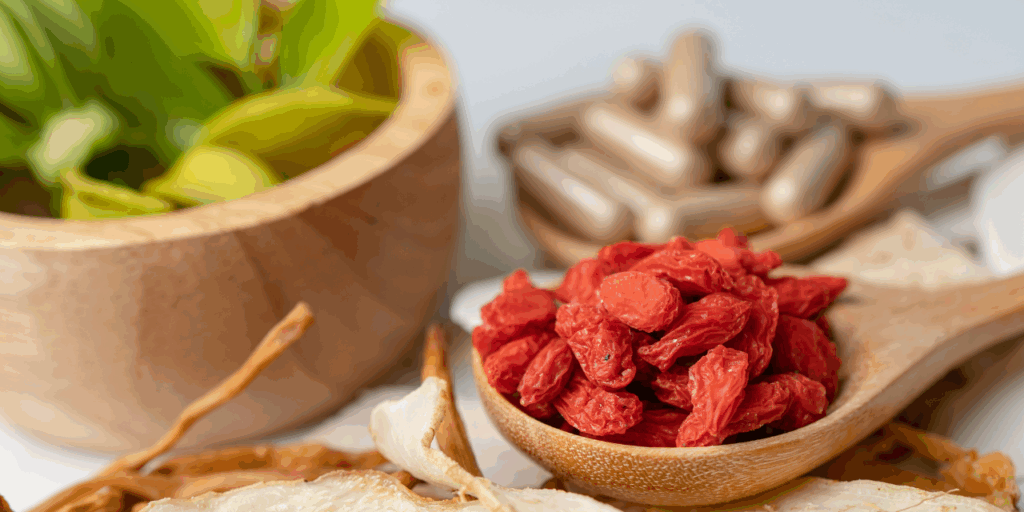
In today’s fast-paced, stress-laden world, fertility challenges have become increasingly common. Whether due to hormonal imbalances, lifestyle habits, environmental toxins, or emotional stress, many individuals and couples face difficulty on the path to parenthood. While modern reproductive technologies such as IVF and IUI offer significant support, more people are now turning to holistic methods to enhance their natural fertility. One of the most trusted and time-tested approaches is Traditional Chinese Medicine (TCM). At DAO Health, fertility support is based on this ancient medical system, which seeks to restore internal balance, strengthen reproductive health, and support emotional well-being. By combining acupuncture, herbal therapy, and lifestyle modifications, TCM offers a comprehensive, personalized, and natural method of improving fertility outcomes. Understanding Traditional Chinese Medicine (TCM) in the Context of Fertility Traditional Chinese Medicine, with roots dating back over 2,500 years, approaches health and disease from a holistic perspective. Central to TCM is the concept of Qi, or vital life force, which flows through the body’s meridians. When Qi flows smoothly and harmoniously, the body is in balance. However, when it becomes blocked or deficient, dysfunction and illness can occur—including reproductive disorders. Fertility, according to TCM, is a function not just of the reproductive organs but of the entire body’s energetic balance. Rather than isolating the ovaries, uterus, or sperm function, TCM practitioners assess the body as a whole, considering organ health, energy levels, emotional states, and lifestyle factors. The aim is to address root causes, not just symptoms, and to strengthen the natural capacity of the body to conceive and carry a pregnancy. Key Organ Systems in TCM That Influence Fertility Several internal systems are emphasized in Chinese Medicine when addressing fertility concerns. The Kidneys, Liver, Spleen, and Heart play pivotal roles in reproductive health. The Kidney System In TCM, the Kidneys are seen as the root of life and the storehouse of Jing (essence), which governs growth, development, aging, and reproduction. Strong Kidney energy is essential for both female and male fertility. A deficiency in Kidney Jing may lead to symptoms such as irregular menstruation, low libido, poor egg or sperm quality, and difficulty conceiving. Strengthening the Kidneys through herbs and acupuncture is often a fundamental part of fertility treatment. The Liver System The Liver is responsible for the smooth flow of Qi and Blood. Emotional stress, a sedentary lifestyle, or poor diet can cause Liver Qi stagnation, which may lead to conditions such as painful periods, PMS, anovulation (lack of ovulation), or hormonal imbalances. In fertility care, ensuring that Liver Qi flows freely helps regulate the menstrual cycle and enhances reproductive harmony. The Spleen and Blood The Spleen governs the transformation of food into energy and Blood. A weak Spleen may result in poor nutrient absorption, fatigue, and insufficient Blood to nourish the uterus and developing embryo. Ensuring proper digestion and Blood production is vital for sustaining a healthy pregnancy. Acupuncture for Fertility Enhancement One of the most recognized and widely used TCM tools in fertility support is acupuncture. This involves the insertion of ultra-thin, sterile needles into specific points on the body to balance the flow of Qi and support organ systems. Clinical studies suggest that acupuncture can have profound effects on reproductive health. It improves blood flow to the uterus and ovaries, promotes hormonal regulation, reduces cortisol levels (a stress hormone), and enhances the function of the hypothalamic-pituitary-ovarian axis. These effects make acupuncture particularly useful in cases of irregular cycles, PCOS, unexplained infertility, and for those undergoing assisted reproductive technologies like IVF. Sessions are typically recommended once or twice per week, depending on the individual’s needs and where they are in their fertility cycle. Herbal Medicine in Fertility Care Herbal medicine is another cornerstone of TCM fertility support. Herbal formulas are composed of multiple plant-based ingredients tailored to each person’s diagnosis and constitution. They aim to regulate ovulation, nourish the Blood, strengthen Kidney Jing, and improve conditions like thin endometrial lining, luteal phase defects, and hormonal imbalances. Common herbs used in fertility formulations include: All herbal prescriptions at DAO Health are made with organic, ethically sourced herbs and are customized to align with each client’s diagnosis and reproductive goals. Herbs can be administered through traditional decoctions, powders, or tinctures like DAO Drops. Lifestyle and Nutritional Therapy in TCM Fertility Support In TCM, lifestyle and dietary habits are critical to supporting the body’s reproductive potential. Unlike modern diets that emphasize extremes (e.g., high protein or low carb), TCM promotes moderation, warmth, and balance. Nutritional recommendations often include: Additionally, gentle movement practices such as Qi Gong, yoga, and Tai Chi are recommended to enhance energy flow, improve circulation, and reduce emotional stress. Emotional health is considered essential in TCM; unresolved grief, anger, or anxiety can disrupt Liver Qi and weaken the Kidneys, further hindering fertility. At DAO Health, patients also receive lifestyle coaching tailored to their energetic constitution, cycle phase, and overall health status. TCM Support for Assisted Reproductive Techniques (IVF, IUI) For individuals and couples undergoing IVF or IUI, TCM can significantly complement these treatments. Studies show that acupuncture before and after embryo transfer may improve implantation rates and pregnancy outcomes. Herbal medicine can also help regulate the cycle in the lead-up to assisted treatments, support uterine lining development, and minimize side effects from fertility medications. DAO Health designs personalized pre-IVF protocols aimed at preparing the body for implantation, improving egg and sperm quality, and supporting emotional resilience during what is often a highly stressful process. The DAO Health Approach to Fertility At DAO Health, fertility care is always individualized. No two people are given the same treatment because no two fertility journeys are the same. Whether trying to conceive naturally or preparing for IVF, the goal is to restore the body’s natural capacity to reproduce by treating the root causes of imbalance. The fertility support program at DAO Health includes: This integrated approach ensures that the body is in optimal condition to conceive and support a healthy pregnancy—naturally and safely. Fertility is a complex interplay of hormonal,